
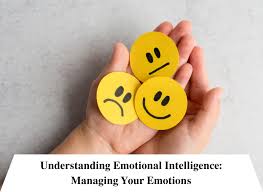
Understanding Emotional Intelligence: The Key to Stronger Relationships
Emotional intelligence (EI) is more than just a buzzword—it’s a critical skill for building and maintaining healthy relationships. It’s the ability to recognize, understand, and manage your own emotions, as well as empathize with the emotions of others. In dating and long-term partnerships, emotional intelligence can make the difference between fleeting attraction and lasting connection.
- 1. What is Emotional Intelligence?
- Emotional intelligence consists of four main components:
- Self-Awareness – Recognizing your own emotions and understanding how they affect your thoughts and behaviors.
- Self-Regulation – Managing your emotions effectively, avoiding impulsive reactions, and responding thoughtfully.
- Empathy – Understanding and sharing the feelings of your partner, which fosters deeper emotional connection.
- Social Skills – Navigating social interactions, resolving conflicts, and building trust and rapport.
- 2. Why Emotional Intelligence Matters in Relationships
- Improved Communication: People with high EI can express their feelings clearly and listen actively, reducing misunderstandings.
- Better Conflict Resolution: Instead of reacting defensively, emotionally intelligent partners approach conflicts calmly and constructively.
- Stronger Emotional Bond: Empathy and understanding help couples feel seen, heard, and valued.
- Resilience During Tough Times: EI allows partners to handle stress, disappointment, and challenges without damaging the relationship.
- 3. Signs of Emotional Intelligence in a Partner
- They listen without interrupting or judging.
- They acknowledge and validate your feelings.
- They remain calm during disagreements and seek solutions rather than blame.
- They are aware of how their actions impact you emotionally.
- 4. How to Develop Emotional Intelligence in Relationships
- Practice Self-Reflection: Regularly check in with yourself about your feelings and reactions.
- Enhance Empathy: Try to understand your partner’s perspective, even if it differs from your own.
- Communicate Openly: Share your emotions honestly, and encourage your partner to do the same.
- Manage Stress: Use techniques like deep breathing, mindfulness, or journaling to regulate emotions during tense moments.
We are available to help answer your questions. Contact us today and we'll be happy to help.
Useful Links
Quick Search
Join our newsletter
We write rarely, but only the best content.
We'll never share your details. See our Privacy Policy
